USTR Proposes Extending Suspension of Section 301 Maritime Fees on China-Linked Vessels Through 2027

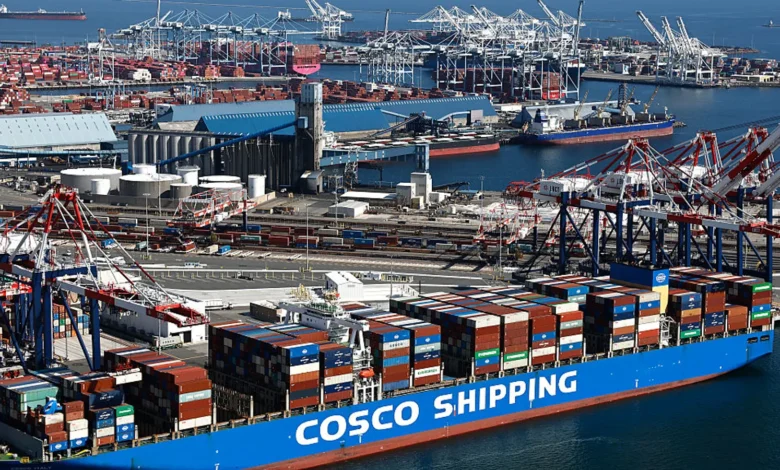
The Office of the United States Trade Representative (USTR) has formally signaled its intent to maintain the status quo regarding controversial maritime trade levies, proposing an extension of the suspension on Section 301 fees targeting China-linked vessels until January 9, 2027. According to a notice published in the Federal Register on October 23, the current moratorium, which was scheduled to expire on November 9, 2025, remains a central point of contention in ongoing U.S.-China trade relations. By delaying the imposition of these fees, the USTR aims to provide additional runway for diplomatic negotiations regarding the specific trade practices that triggered the initial investigation into China’s dominance in the global logistics and shipbuilding sectors.
The proposed extension is not merely a bureaucratic delay; it represents a strategic pivot in how the U.S. government approaches the dual goals of protecting domestic maritime manufacturing and ensuring supply chain stability. As the USTR opens a brief window for public commentary—with a deadline of October 30—the maritime industry is bracing for the potential long-term economic ramifications of these policies.
Chronology of the Section 301 Maritime Action
The origins of this policy trace back to escalating tensions surrounding China’s market-distorting practices in the shipping industry. For years, U.S. policymakers have expressed concerns over the Chinese government’s extensive subsidies, which have allowed Chinese shipyards to capture a significant majority of global shipbuilding capacity.
- Initial Investigation: The USTR initiated a Section 301 investigation into China’s acts, policies, and practices related to the maritime, logistics, and shipbuilding sectors, citing concerns over unfair competition and the erosion of the U.S. Merchant Marine.
- Announcement of Fees: In late 2024, the USTR unveiled a framework for fees ranging from $18 per ton to $120 per container for vessels with substantial Chinese ties.
- The Exemption Strategy: To balance punitive measures with domestic growth, the policy included an incentive structure: vessel owners could secure an exemption from these fees for up to three years by committing to orders for new, U.S.-built vessels.
- The First Delay: Originally slated to take effect on October 14, 2024, the fees were deferred to November 2025, reflecting the complexity of implementing such a broad tariff regime without triggering an immediate inflationary shock.
- The Current Proposal: The October 2025 filing extends this period of grace, pushing the potential enforcement date to early 2027 to allow for further bilateral discussions.
The Rationale Behind the Proposed Extension
The USTR’s decision to pursue a further extension is rooted in the "acts, policies, and practices" mentioned in the federal filing. The agency is attempting to leverage the threat of fees as a diplomatic tool rather than an immediate economic weapon. By extending the deadline, the U.S. creates a period of "negotiating space" that could potentially lead to structural changes in how China handles its shipbuilding subsidies.
Furthermore, the U.S. government is keenly aware of the fragility of current global trade flows. Imposing sudden, high-cost fees on container vessels would essentially act as an indirect tax on importers and consumers, as carrier lines would inevitably pass those costs down through surcharges. The delay suggests a recognition that the U.S. domestic shipbuilding industry—while needing protection—cannot currently meet the immediate demand for new tonnage, making a transition period essential.
Industry Reactions and Economic Implications
The reaction from the broader logistics and trade community has been one of cautious relief mixed with lingering anxiety. Last month, a coalition of trade groups, including major shipper associations and maritime logistics organizations, formally petitioned U.S. Trade Representative Jamieson Greer to maintain the suspension.
The consensus among these stakeholders is that the U.S. ocean freight market is already grappling with significant volatility. Factors such as fluctuating carrier capacity, geopolitical instability in major shipping lanes, and the lingering effects of inflationary pressures on transportation costs have left the industry in a vulnerable state.
In their communication to the USTR, the trade groups emphasized that imposing fees on China-linked vessels would "create immediate and far-reaching consequences for U.S. companies that rely on ocean transportation to move goods into and out of the United States." They argue that because the global shipping fleet is so heavily integrated with Chinese-built infrastructure, a quick imposition of fees would essentially penalize U.S. importers for the lack of non-Chinese alternatives, rather than successfully incentivizing a rapid shift to U.S. shipyards.
Data and Market Context
To understand the scale of the potential impact, one must consider the dominance of China in the shipbuilding sector. According to data from the China Association of the National Shipbuilding Industry (CANSI) and various international maritime analysts, China accounted for over 50% of global shipbuilding output in recent years. In contrast, the U.S. share of global large-vessel construction has dwindled to a fraction of that, limited primarily by the high cost of labor and a lack of the specialized infrastructure found in East Asian maritime hubs.
The fees—at $120 per container—represent a significant margin-compressor. For a standard 10,000-TEU (twenty-foot equivalent unit) vessel, the cumulative cost of these levies, if applied, would run into the millions of dollars per port call. For an industry that operates on razor-thin margins and relies on high-volume throughput, such costs would fundamentally alter the routing of goods, potentially forcing vessels to call at neighboring ports in Canada or Mexico to avoid U.S. jurisdiction, thereby harming U.S. port competitiveness.
The Domestic Shipbuilding Paradox
The core objective of the Section 301 action—the revitalization of U.S. commercial shipbuilding—remains a top-tier national security priority for the current administration. An executive order focused on "restoring maritime dominance" underscores the belief that a nation that cannot build its own ships is inherently vulnerable to foreign coercion.
However, the policy faces a "chicken-and-egg" dilemma:
- Capacity Constraints: Domestic shipyards are currently optimized for naval and specialized vessel construction rather than the mass production of container ships.
- Price Disparity: The cost of building a vessel in the U.S. remains significantly higher than in China or South Korea, meaning that even without fees, shipowners have little incentive to shift their orders to U.S. yards.
- Time Lag: The lead time to commission and complete a large commercial vessel is typically three to five years. Even if a company committed to a U.S.-built ship today, the vessel would not be in operation before the proposed extension expires in 2027.
Future Outlook and Strategic Considerations
As the USTR reviews public comments, the agency is faced with a balancing act. If the fees are permanently suspended, the U.S. loses its leverage to demand changes to China’s industrial policies. If the fees are enforced, the immediate economic fallout could damage the very U.S. businesses that the policy is intended to protect.
Most analysts expect that the USTR will continue to utilize a "carrot-and-stick" approach. The extension until 2027 provides a window for the government to roll out more substantial domestic subsidies or tax credits for shipbuilding—effectively subsidizing the cost gap that currently makes Chinese vessels more attractive.
For the time being, the global shipping industry remains in a state of suspended animation. Carriers, freight forwarders, and retailers will continue to monitor the USTR’s actions, knowing that the regulatory environment governing the most vital link in the global supply chain is subject to significant shifts. As the January 2027 deadline approaches, the pressure will be on the USTR to demonstrate that these negotiations have produced tangible results, lest the industry be forced to absorb the costs of a trade policy that, while rooted in legitimate national interest, remains difficult to implement in a globalized, China-centric maritime economy.
The upcoming conclusion of the public comment period will provide the first real indicator of how much political capital the administration is willing to spend to force this shift in global maritime dynamics. Until then, the shipping industry continues to operate under the shadow of potential future levies, planning its long-term logistics chains with the uncertainty that has become the hallmark of modern trade policy.